sport · 4 min read
Omega-3s: EPA, DHA, and the number that actually counts

"Fish oil" is the delivery vehicle; the active omega-3s inside it are EPA and DHA. DHA contributes to the maintenance of normal brain function and normal vision, and both EPA and DHA contribute to normal heart function at appropriate intakes — the EFSA-authorised phrasings you'll see referenced.[1]
The 1000 mg trap
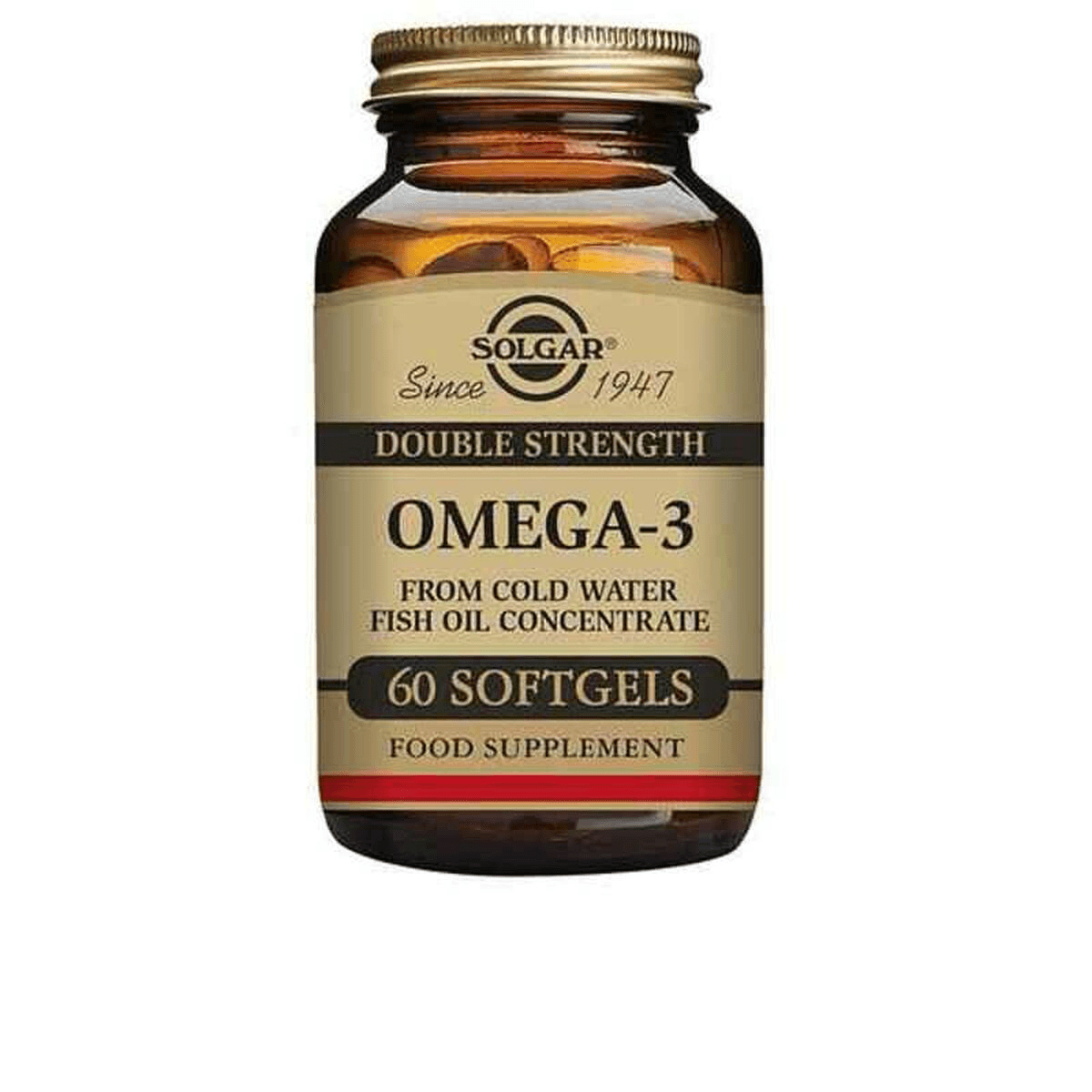
A softgel labeled "1000 mg fish oil" might contain only 300 mg of combined EPA + DHA — the rest is other fats. Two products at the same "1000 mg" can differ two- or three-fold in the omega-3s that actually count. Always read the EPA and DHA lines in the supplement facts, not the headline number.
Triglyceride vs ethyl ester
You'll see two forms: the natural triglyceride form and the concentrated ethyl ester form. The triglyceride form is often chosen for absorption and for sitting more comfortably (fewer "fishy burps"), though it's usually a little pricier.
Freshness matters
- Omega-3 oils can oxidise; reputable brands test for freshness (often reported as a TOTOX value).
- Store away from heat and light; some people keep softgels in the fridge.
- A vegan alternative exists: algae-sourced DHA/EPA, the same molecules fish get from algae.[2]
General education, not medical advice.