immunity · 4 min read
Vitamin D3 vs D2, and why K2 keeps coming up

Vitamin D contributes to the normal function of the immune system and to the maintenance of normal bones — two of the EFSA-authorised roles you'll see referenced.[1] It's made in skin from sunlight, which is exactly why intake becomes a topic in darker months and at higher latitudes.[2]
D3 vs D2
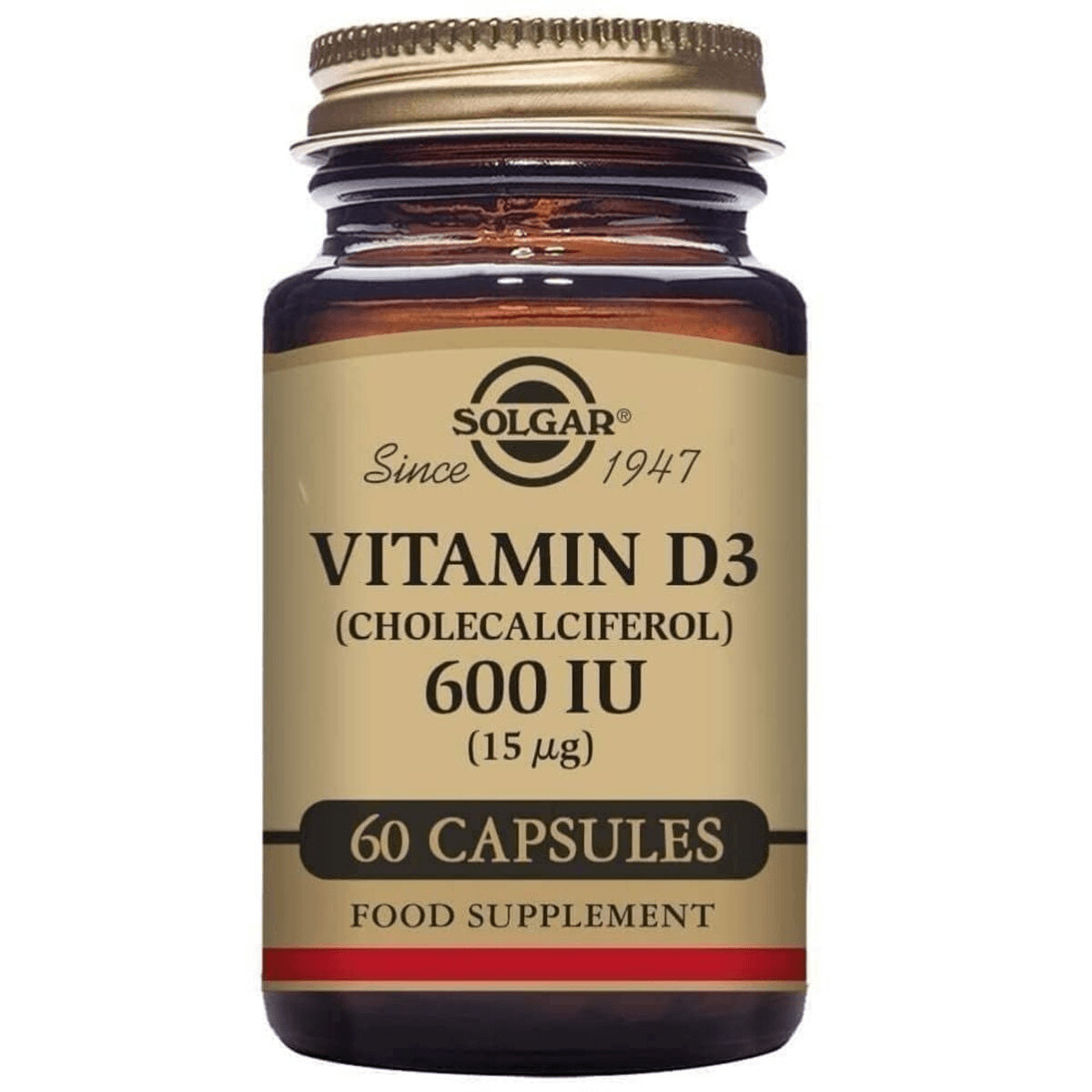
Supplements come in two forms: D3 (cholecalciferol, historically from lanolin, now also available plant-sourced from lichen) and D2 (ergocalciferol, from fungi). Head-to-head studies generally find D3 raises and maintains vitamin D status more effectively than an equivalent dose of D2.[3] If a product just says "vitamin D," check which one it is.
Why K2 shows up alongside it
Vitamin D and vitamin K are fat-soluble vitamins that are often formulated together for convenience — one capsule instead of two products. Vitamin K contributes to the maintenance of normal bones, which is why the pairing is a common one on supplement shelves. Look for the specific amounts of each, in micrograms (mcg) or IU, in the supplement facts.
Reading the dose
- Vitamin D is measured in both IU and micrograms — 1000 IU ≈ 25 mcg.
- Because it's fat-soluble, it's typically taken with a meal that contains some fat.
- More is not automatically better; stay within the intake reference unless a clinician advises otherwise.
This is general education, not medical advice. A simple blood test can tell you your actual vitamin D status if you're unsure.